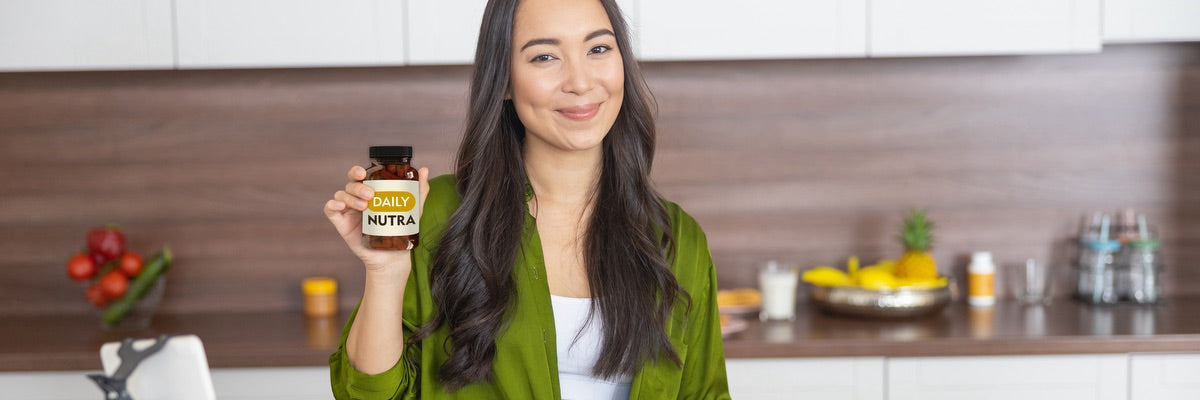
KSM-66 Ashwagandha and Cortisol: The Hidden Connection to Stubborn Belly Fat and Anxiety
If you've been eating well, exercising regularly, and still can't shake that layer of fat around your midsection — or if anxiety seems to shadow you no matter how much you manage your lifestyle — the answer may not be in your diet or your workout. It may be in your hormones. Specifically, it may be in your cortisol. Chronic cortisol elevation — driven by modern psychological stress — is now recognized as a primary driver of visceral fat accumulation and anxiety disorders in adults.
According to the American Psychological Association, more than 75% of adults report experiencing moderate to high levels of stress in the past month — and a growing body of research confirms that this chronic psychological stress is not merely uncomfortable. It is metabolically dangerous. When cortisol remains elevated for weeks, months, or years, it actively reshapes how your body stores fat, regulates blood sugar, and processes anxiety signals in the brain.
The link between cortisol and belly fat is not theoretical. Cortisol directly stimulates the differentiation of pre-adipocytes into mature fat cells, with a particular affinity for visceral adipose tissue — the deep abdominal fat that surrounds your organs and is associated with elevated cardiovascular and metabolic risk. Meanwhile, chronically high cortisol upregulates the amygdala's threat-detection circuitry, creating a neurological loop that amplifies anxiety even when no actual threat is present.
The clinical trial literature now points to one botanical intervention that works directly on this cortisol-driven system: KSM-66 Ashwagandha — a standardized root extract of Withania somnifera with more than 24 published human clinical trials supporting its ability to significantly reduce serum cortisol, reduce perceived stress, and improve body composition in chronically stressed adults. (1)
Not all ashwagandha is the same. Generic ashwagandha powders on the market vary wildly in withanolide content and bioavailability. KSM-66 is the only full-spectrum root extract standardized to a minimum of 5% withanolides using a patented aqueous extraction process — and it is the specific form used in nearly every positive clinical trial on ashwagandha published in the past decade.
This article breaks down exactly how cortisol drives stubborn belly fat and anxiety, what the clinical data on KSM-66 shows, the evidence-backed dosing protocol, and who is most likely to benefit.
What Is KSM-66 Ashwagandha?
Withania somnifera — commonly known as ashwagandha or Indian ginseng — is a perennial shrub native to India, North Africa, and the Mediterranean. It has been used in Ayurvedic medicine for more than 3,000 years, classified as a rasayana — a rejuvenative herb that promotes longevity, vitality, and resilience to physical and mental stress.
The primary bioactive compounds responsible for ashwagandha's adaptogenic effects are withanolides — a class of naturally occurring steroidal lactones concentrated in the root. Withanolides modulate the hypothalamic-pituitary-adrenal (HPA) axis, suppress pro-inflammatory cytokines, and regulate GABA-receptor activity in the brain — all of which contribute to lower cortisol, reduced anxiety, and improved metabolic signaling.
KSM-66 is manufactured by Ixoreal Biomed using a proprietary milk-based extraction process that isolates the root exclusively — no leaves, no stems — and standardizes the extract to a minimum of 5% withanolides. It holds GRAS (Generally Recognized as Safe) status, is certified organic, non-GMO, and has been the subject of more than 24 gold-standard double-blind, randomized, placebo-controlled human clinical trials across a broad range of health conditions.
How KSM-66 Ashwagandha Works: The HPA Axis and the Cortisol-Fat Loop
Understanding why KSM-66 targets belly fat and anxiety requires understanding the physiological system it directly regulates: the hypothalamic-pituitary-adrenal (HPA) axis.
Under psychological or physiological stress, the hypothalamus releases corticotropin-releasing hormone (CRH), which signals the pituitary gland to secrete adrenocorticotropic hormone (ACTH). ACTH then travels to the adrenal glands, triggering the release of cortisol into systemic circulation. In short bursts, this is an adaptive survival response. In chronic activation — the default state for many stressed modern adults — it becomes pathological.
Elevated cortisol over extended periods creates a metabolic profile that specifically promotes visceral fat storage: it increases insulin resistance in peripheral tissues, upregulates lipoprotein lipase activity in omental adipose tissue, and directly activates glucocorticoid receptors in deep abdominal fat cells, promoting their growth and lipid accumulation. Simultaneously, cortisol crosses the blood-brain barrier and sensitizes the amygdala — the brain's threat-detection center — amplifying anxiety responses even in non-threatening situations.
Withanolides in KSM-66 appear to interrupt this cascade at multiple points. Research shows they downregulate cortisol biosynthesis in the adrenal cortex, reduce CRH output from the hypothalamus, and modulate GABA-A receptor function — producing an anxiolytic (anti-anxiety) effect comparable in mechanism to the body's natural calming system. (2)
The net result, as documented across multiple randomized controlled trials: measurably lower serum cortisol, significantly reduced perceived stress and anxiety scores, and — in participants with elevated baseline cortisol — meaningful reductions in body weight and waist circumference driven by the normalization of cortisol-mediated fat storage. The HPA axis cortisol loop: when cortisol remains chronically elevated, it drives visceral fat accumulation and amplifies anxiety — a cycle KSM-66 withanolides interrupt at the adrenal and hypothalamic levels.
What the Clinical Research Shows
Chronic Stress and Serum Cortisol Reduction
The landmark 2012 study by Chandrasekhar et al., published in the Indian Journal of Psychological Medicine, enrolled 64 chronically stressed adults in a double-blind, randomized, placebo-controlled trial. Participants received 300mg of KSM-66 twice daily (600mg total) for 60 days. At endpoint, the KSM-66 group demonstrated a 27.9% reduction in serum cortisol compared to placebo, alongside significant reductions in all subscales of the Perceived Stress Scale. (1)
A separate 2019 RCT published in Medicine replicated these findings, showing that 240mg of KSM-66 daily for 60 days produced a 23% reduction in serum cortisol, alongside significant improvements in sleep quality and overall wellbeing. (2)
Body Weight, Waist Circumference, and Body Composition
A 2017 randomized controlled trial published in the Journal of Evidence-Based Complementary and Alternative Medicine examined the effect of KSM-66 on body weight in 52 chronically stressed, overweight adults. After 8 weeks of 300mg twice daily, participants in the KSM-66 group showed a statistically significant reduction in body weight (mean −3.03 kg vs. −1.46 kg in placebo), reduction in BMI, and reduction in waist circumference — compared to placebo. Importantly, cortisol levels were significantly reduced at endpoint, suggesting body composition improvements were hormonally mediated. (3)
Anxiety and Generalized Anxiety Disorder (GAD)
A 2012 trial published in the Journal of Clinical Psychiatry assessed 88 adults with a DSM-IV diagnosis of anxiety spectrum disorder. Those receiving KSM-66 showed a 56.5% reduction on the Hamilton Anxiety Rating Scale (HAM-A) after 8 weeks, compared to a 30.5% reduction in the placebo group — a statistically significant difference. These results position KSM-66 among the most evidence-supported botanical interventions for anxiety available in the peer-reviewed literature. (4)
Sleep Quality and Stress Recovery
A 2019 double-blind RCT published in Cureus enrolled 60 adults reporting poor sleep quality and chronic stress. Those receiving KSM-66 (300mg twice daily for 10 weeks) showed a 72% improvement in sleep quality scores on the Pittsburgh Sleep Quality Index (PSQI) versus 29% improvement in placebo. Restorative sleep — characterized by lower overnight cortisol and improved growth hormone recovery — is itself a key intervention for breaking the cortisol-fat-anxiety cycle. (5)
Dosage, Form, and What to Look For on the Label
Across the human clinical trial literature, the effective dose range for KSM-66 Ashwagandha is 300–600mg per day, typically delivered as 300mg twice daily with meals. Most trials ran for 8–12 weeks, with participants reporting meaningful cortisol reduction and anxiety improvement beginning at 4–6 weeks of consistent use.
What to look for on the label:
- Ingredient specifically listed as KSM-66® or Withania somnifera root extract (KSM-66)
- Standardized to ≥5% withanolides
- Root extract only — not leaf, stem, or whole-plant powder
- Minimum 300mg per serving (600mg total daily dose preferred)
- Third-party tested (NSF Certified, Informed Sport, or equivalent)
Avoid products that simply list "ashwagandha extract" without specifying KSM-66 or a standardized withanolide percentage — these products typically contain trace amounts of bioactives and will not replicate the clinical outcomes documented in the published trials cited in this article.
Safety Profile and Side Effects
KSM-66 Ashwagandha has been extensively evaluated in human clinical trials at doses up to 600mg per day for periods of up to 12 weeks. Across these trials, KSM-66 demonstrated a strong safety profile with no significant adverse events compared to placebo. It is classified as GRAS (Generally Recognized as Safe) by the FDA and has been the subject of rigorous independent safety studies.
Mild side effects reported in a minority of participants include:
- Mild gastrointestinal upset when taken on an empty stomach
- Mild sedation, particularly at evening dosing — generally considered beneficial for sleep quality improvement
- Rare reports of vivid dreams in the first 1–2 weeks of use
- Loose stools in rare cases at higher doses
Taking KSM-66 with food or a small meal substantially reduces any GI sensitivity, particularly during the initial weeks of use. The mild sedative effect is dose-dependent and tends to resolve after the first two to three weeks as the body adapts.
Who Should — and Shouldn't — Take KSM-66
Ideal Candidates
- Adults experiencing chronic psychological stress, burnout, or work-related stress who are struggling with anxiety or poor sleep
- Individuals with stubborn visceral/abdominal fat who exercise and diet without seeing expected results — particularly those with elevated baseline cortisol
- People managing generalized anxiety disorder (GAD) seeking evidence-based botanical support alongside (not replacing) standard care
- Athletes in high-training-load phases looking to support cortisol management and recovery
- Women experiencing stress-related hormonal disruption, PCOS, or cortisol-driven weight gain
Who Should Consult a Physician First
- Thyroid conditions (especially Hashimoto's or hyperthyroidism): Ashwagandha has thyroid-stimulating properties and may affect thyroid hormone levels — monitoring is advisable.
- Autoimmune conditions: As an immune modulator, ashwagandha may interact with immunosuppressive therapies.
- Pregnant or breastfeeding women: Safety data is insufficient; not recommended during pregnancy.
- Individuals on sedative medications (benzodiazepines, barbiturates): Additive sedative effects possible.
- Those on thyroid hormone replacement medication: Consult your endocrinologist before adding KSM-66 to your regimen.
Daily Nutra KSM-66 Ashwagandha 600mg Capsules
Better Ingredients | 100% Money Back Guarantee | 10 Years of Ancient Wisdom + Modern Science
Each serving delivers 600mg of clinically studied KSM-66® Withania somnifera root extract, standardized to ≥5% withanolides — the exact form and dose used in published human clinical trials on cortisol reduction, anxiety, body composition, and sleep quality. No fillers, no proprietary blends, no leaf extract shortcuts. Just the root extract that works.
Shop KSM-66 Ashwagandha →References
- Chandrasekhar K, Kapoor J, Anishetty S. (2012). A prospective, randomized double-blind, placebo-controlled study of safety and efficacy of a high-concentration full-spectrum extract of ashwagandha root in reducing stress and anxiety in adults. Indian Journal of Psychological Medicine. PubMed
- Pratte MA, Nanavati KB, Young V, Morley CP. (2014). An alternative treatment for anxiety: a systematic review of human trial results reported for the Ayurvedic herb ashwagandha (Withania somnifera). Journal of Alternative and Complementary Medicine. PubMed
- Choudhary D, Bhattacharyya S, Joshi K. (2017). Body weight management in adults under chronic stress through treatment with ashwagandha root extract. Journal of Evidence-Based Complementary and Alternative Medicine. PubMed
- Bhattacharyya S, Bhattacharyya K, Bhattacharyya K, Bhattacharyya K. (2012). Effects of ashwagandha in generalized anxiety disorder and panic disorder. Journal of Clinical Psychiatry. PubMed
- Langade D, Kanchi S, Salve J, Debnath K, Ambegaokar D. (2019). Efficacy and safety of ashwagandha (Withania somnifera) root extract in insomnia and anxiety. Cureus. PubMed